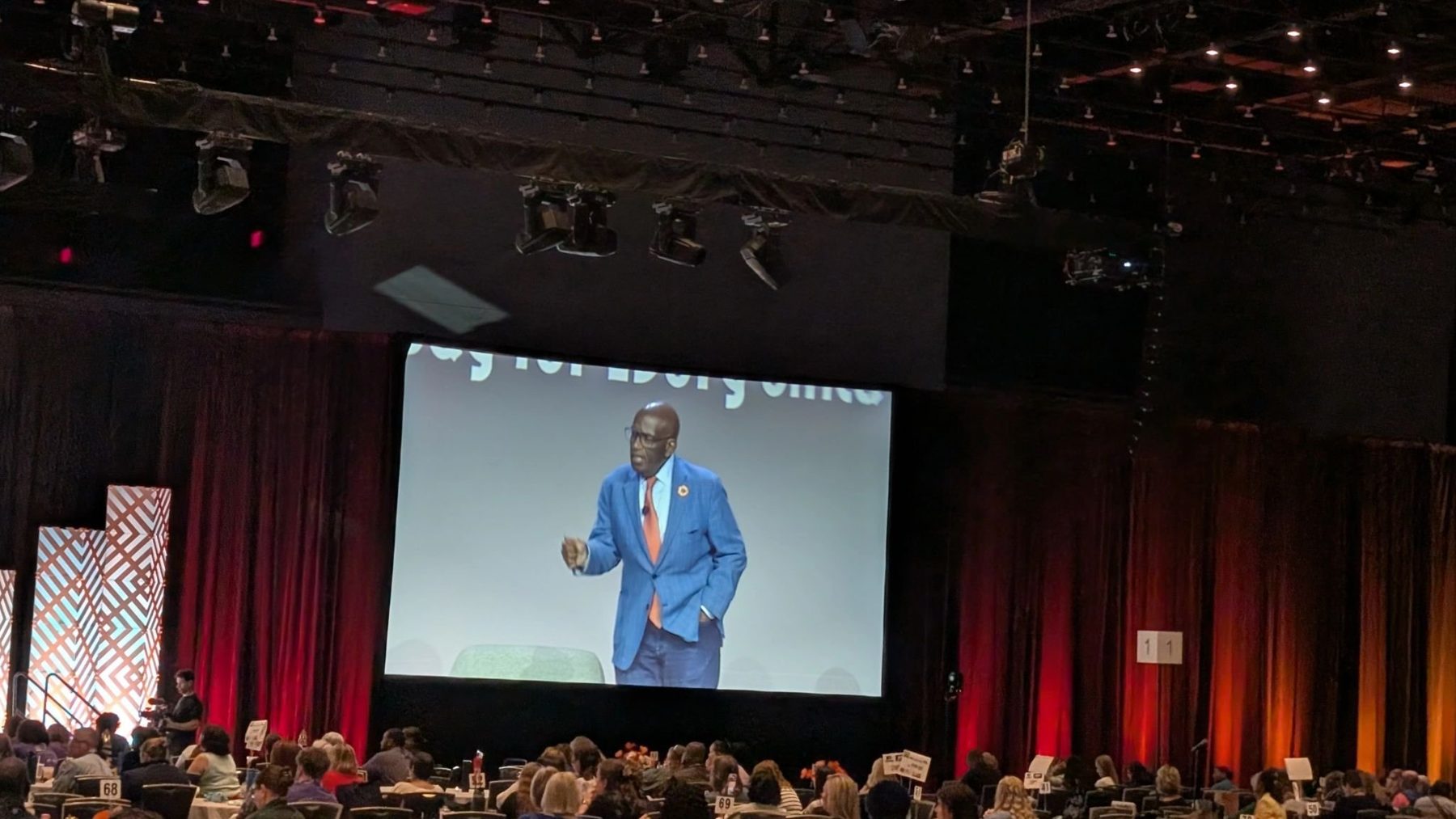


Talk to parents about video games, and they usually fall into one of two camps: the exhausted “Ban It All“ approach, or the overwhelmed “Wild West” approach where kids navigate digital lobbies alone. But as Health-e-Habits Executive Director Jim Festante shared during his “Level Up” workshop at the National PTA Convention, there is a realistic middle ground. We just need to change how we look at the games themselves.
Not all “screen time” is the same, and finding balance starts with understanding how each platform is built. There is a massive difference between a closed-loop game like a classic Nintendo title, which offers a defined narrative and an actual ending, and an open-ended platform like Roblox, which is built to keep players coming back and spending with no natural stopping point. Once parents see that difference, they can set firmer limits on the endless platforms and make more room for the video games that have an ending.
Implementing this middle ground comes down to communication. Jim outlined the voice-but-not-a-vote framework for family tech plans. Kids get room to share their frustrations and what they love about gaming, and they feel heard. Parents still have the final vote on the boundaries. They don’t need to become gaming experts to make this work. They just need a plan they made on purpose, without fear driving it.