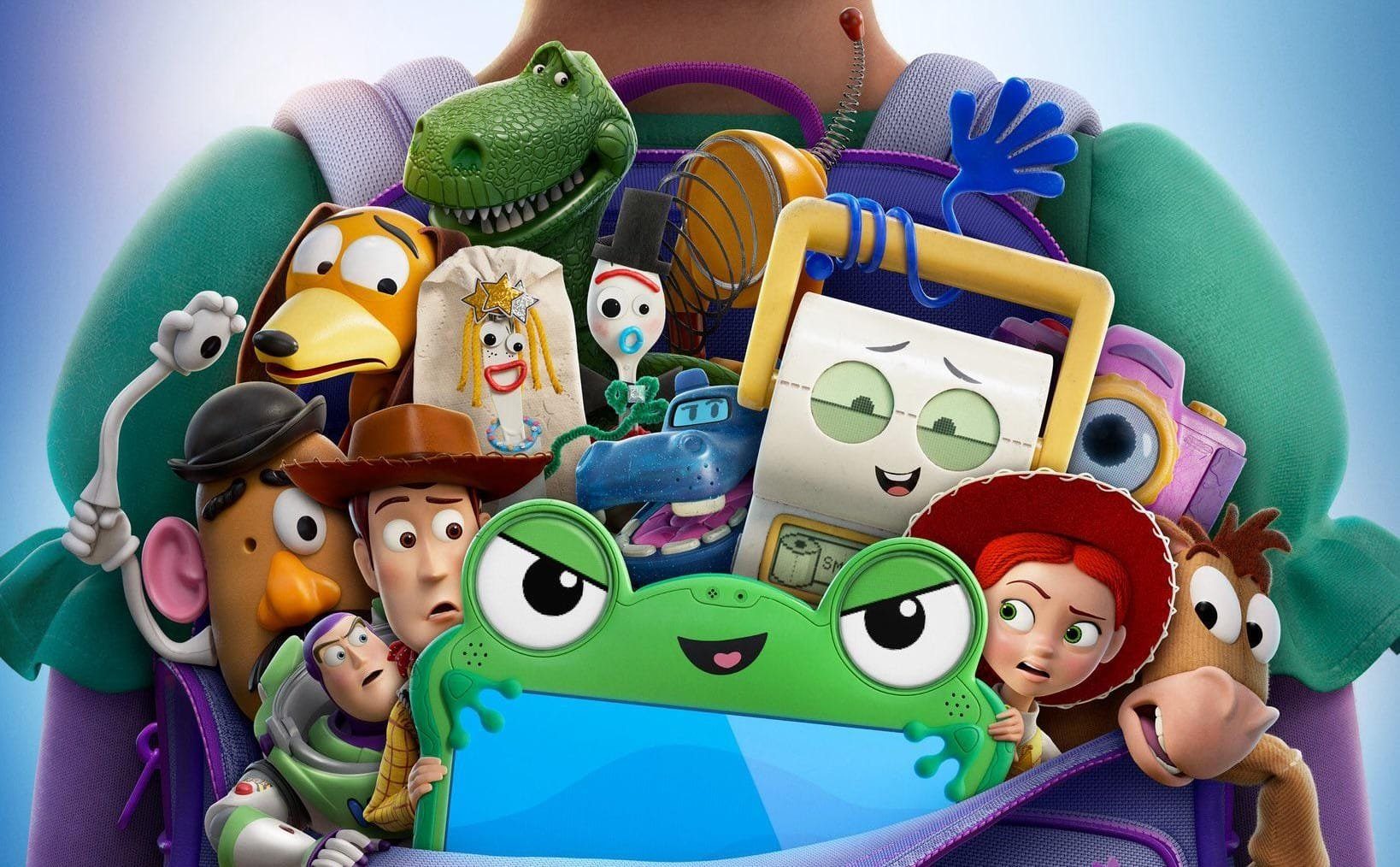


If you’ve ever had to pry a tablet out of your kid’s hands when it’s time for dinner, you already know the underlying conflict of “Toy Story 5.” Jessie, Woody, Buzz, and the gang are facing their biggest rival yet: technology. It’s a showdown between imaginative play and the pull of screens.
But Pixar didn’t want a movie that wags its finger and says “technology is bad.” They wanted to show the everyday struggle families actually face. To get that right, they brought in Jim Festante, Executive Director of Health-e-Habits, as a creative consultant.
Pixar wanted it to feel true. The goal was to show the tug-of-war kids feel between the physical world of imagination and the carefully engineered pull of their favorite games and apps, without turning iPads into villains. Jim helped the creative team get past the usual “screen time” arguments and into what kids actually experience in those digital spaces, and what it costs them socially to log off.
People have used stories to connect for thousands of years, and a movie as big as “Toy Story” gives everyone the same starting point for a conversation.
Because the topic hits so close to home, “Toy Story 5” gives parents and kids a shared language for talking about technology. Families can watch it together, then sit down, listen to each other, and figure out their own rules.